



A stye appears on your eyelid, you treat it, and it goes away. Then, a few weeks or months later, another one shows up. You treat that one, too. The cycle continues, and at some point, you start to wonder whether something deeper is going on.
For many patients, the answer is yes. Recurring styes are often not a standalone problem. They are frequently a symptom of an underlying eyelid gland condition, the same condition that drives dry eye disease. Once that connection is made and the root cause is properly treated, the styes typically stop coming back.
Keep reading to learn why this link exists and what can be done about it!
What Is a Stye, and Why Does It Keep Coming Back?
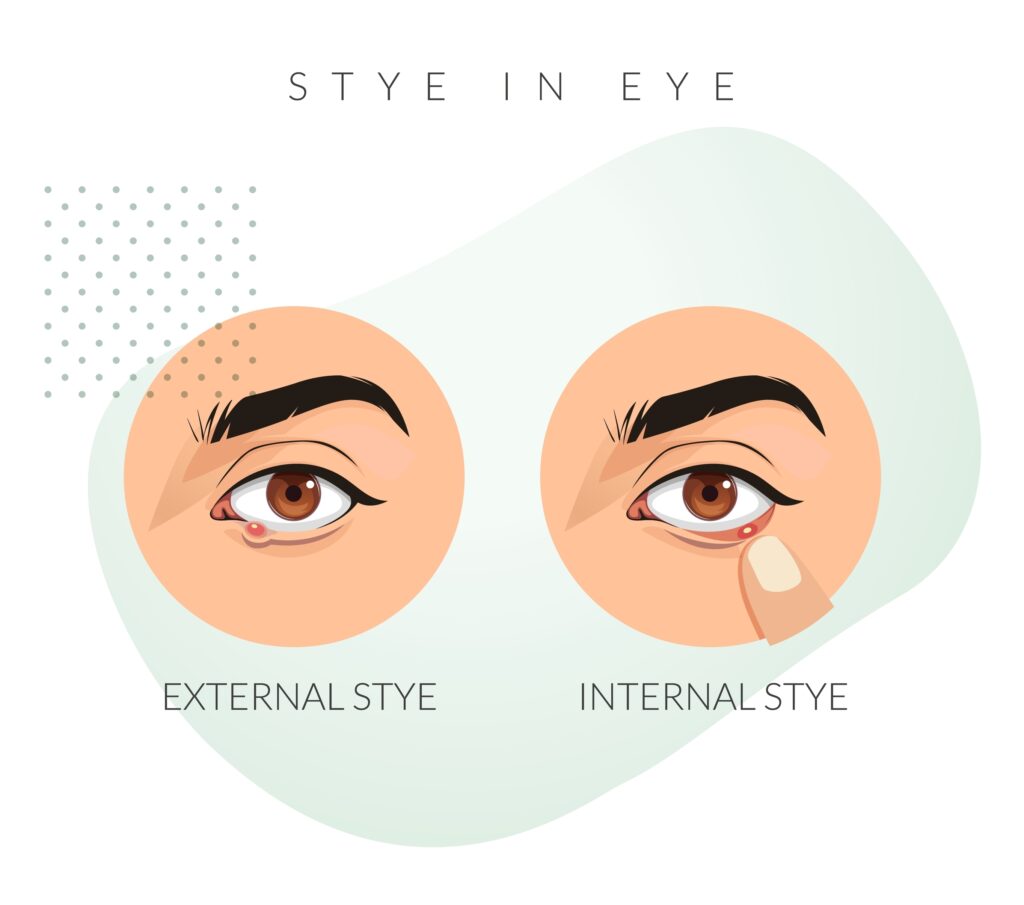
A stye is a small, often painful bump that forms along the edge of the eyelid when one of the tiny oil-producing glands inside the lid becomes blocked and inflamed. These glands, called meibomian glands, are responsible for secreting the oily layer of your tear film.
That layer keeps tears from evaporating too quickly off the surface of the eye. When the oil becomes thick, stagnant, or unable to flow freely, it backs up inside the gland. Bacteria thrive in that environment, and a stye is often the result.
Treating a single stye with a warm compress or antibiotic ointment can resolve the immediate infection. What it does not do is address the reason the gland became blocked in the first place. If the gland itself is dysfunctional, producing poor-quality oil, inflamed, or structurally compromised, the blockages will continue, and so will the styes.
Patients who experience styes once or twice a year might chalk it up to bad luck. Patients who deal with them repeatedly are almost always dealing with meibomian gland dysfunction, a chronic condition that does not resolve on its own.
How Does Dry Eye Connect to Styes?

Meibomian gland dysfunction, or MGD, is the leading cause of dry eye disease. When these glands stop producing healthy oil in adequate quantities, the tear film becomes unstable. Tears evaporate faster than they should, leaving the surface of the eye irritated, inflamed, and prone to infection.
This is the same mechanism behind recurring styes. The gland dysfunction that destabilizes the tear film and causes chronic dry eyes is identical to the dysfunction that blocks the glands and triggers stye formation. Dry eye disease and recurring styes are two expressions of the same underlying problem.
This is why patients who come in reporting frustrating stye recurrence often discover, after a thorough evaluation, that they also have dry eye disease, which they were either unaware of or had been dismissing as minor irritation. The two conditions travel together more often than most patients expect.
Signs You May Have Dry Eye Behind Your Styes
Not everyone with dry eye disease experiences the burning, watery, or gritty sensation that most people associate with the condition. Some people notice only intermittent blurry vision, eye fatigue after screen use, or a vague sensitivity to light. Others have very few noticeable symptoms in between stye episodes.
Some signs that dry eye may be contributing to your recurring styes include:
- Eyelids that feel heavy, crusty, or irritated in the morning
- Eyes that water excessively, particularly in wind or dry air
- Blurred vision that clears temporarily when you blink
- A feeling that something is in your eye even when nothing is there
- Styes that appear in slightly different spots along the same eyelid rather than always in the same place
Left untreated, chronic meibomian gland inflammation can cause the glands themselves to atrophy, leaving them permanently unable to produce the oil your tear film depends on. Meibomian glands that remain blocked and inflamed over time can undergo permanent structural changes, making them progressively harder to treat.
How Treating Dry Eye Can Stop the Cycle
When MGD is properly diagnosed and treated, the underlying gland dysfunction improves, the oil flow normalizes, and the conditions that produce recurring styes are resolved. This is a fundamentally different approach from treating each stye in isolation.
LipiFlow
LipiFlow treatment is one of the most effective tools available for addressing meibomian gland dysfunction at its source. The device applies controlled heat to the inner eyelid while simultaneously delivering gentle pulsation to the outer lid.
This combination liquefies the thickened oils clogging the glands and expresses them, restoring the glands’ ability to produce and release healthy oil. The procedure takes about 12 minutes per eye and requires no downtime. Many patients notice improvement in dry eye symptoms and a reduction in stye recurrence within weeks of treatment.
IPL with Radiofrequency and OptiLift
IPL dry eye treatment using the OptiLight system by Lumenis addresses the inflammatory component of MGD. Light pulses delivered to the skin around the eyelids reduce the pro-inflammatory blood vessels that feed chronic eyelid inflammation, improve meibomian gland function, and stabilize the tear film. For patients whose recurring styes are closely tied to inflammation and rosacea-related eyelid changes, IPL can be particularly effective.
At All Eye Care Doctors, IPL is performed in combination with Radiofrequency (RF) therapy and OptiLift to achieve the most comprehensive treatment approach using the latest technologies on the market. RF therapy delivers controlled thermal energy to the deeper layers of tissue around the eyelids, further reducing inflammation and stimulating collagen production to support healthier gland function.
OptiLift complements both treatments by targeting the structural changes around the eyelid margin that contribute to chronic gland obstruction. Together, this trio of therapies works on multiple levels, addressing inflammation, gland blockage, and eyelid tissue health, to accelerate meibomian gland recovery and deliver more complete, lasting results.
The care team at All Eye Care Doctors will determine which approach, or which combination, best fits each patient’s clinical picture.
What to Expect at Your Appointment
Patients who come in with recurring styes are evaluated beyond the surface level. A comprehensive assessment of meibomian gland health, tear film quality, and eyelid condition gives the team a complete picture of what is driving the problem.
This may include meibography, which uses infrared imaging to evaluate the structure of the meibomian glands directly, as well as tear breakup time testing to assess how quickly the tear film deteriorates between blinks.
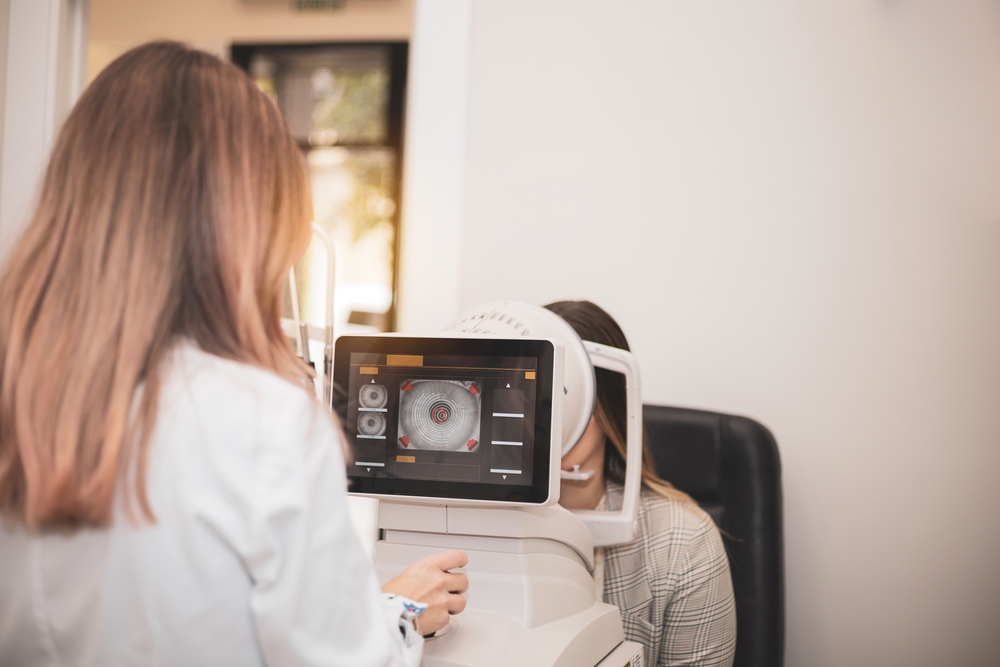
A comprehensive eye exam at All Eye Care Doctors is designed to identify conditions like MGD before they progress, which means that patients dealing with early or mild gland dysfunction can often get ahead of the problem before permanent gland damage occurs.
For patients already experiencing frequent styes, the evaluation will clarify the severity of gland involvement and guide a treatment plan tailored to their specific needs.
Recurring styes are a signal worth taking seriously. When the meibomian glands are struggling, the eyelids show it, and the solution is rarely as simple as waiting for the next one to resolve on its own.
Dealing with styes that keep returning? Schedule an appointment at All Eye Care Doctors in Medford, Cambridge, Burlington, Chestnut Hill, or Wellesley, MA.