



Have you ever woken up with eyes that feel gritty, painful, or impossibly dry? The relationship between sleep quality and dry eye symptoms runs deeper than most people realize. From the humidity in your bedroom to the position of your ceiling fan, seemingly small factors during the night can dramatically affect how your eyes feel when you wake up.
Keep reading to learn how your nighttime habits and sleep environment influence your dry eye condition, plus practical steps you can take tonight to wake up with more comfortable eyes.
Why Your Eyes Need Quality Sleep

Sleep does more than just help you feel rested. During those hours of rest, your eyes undergo repair processes that keep them healthy and comfortable. Your body produces tears differently at night compared to during the day, and the quality of your sleep directly affects this production.
When you sleep poorly or not enough, your tear glands produce fewer tears the next day. People who get inadequate sleep can experience reduced tear secretion and increased tear evaporation rates. Your body also experiences higher levels of inflammation when you don’t get enough quality rest, which can worsen existing dry eye symptoms.
Sleep deprivation also affects the composition of your tears, making them less effective at protecting and lubricating your eye surface. Your eyelids need to stay completely closed during sleep to maintain moisture on your eyes, and disrupted sleep patterns can interfere with this natural protection.
How Does Sleep Impact Dry Eye?
There are several factors during your sleeping hours that can worsen dry eye symptoms.
The Bedroom Environment Factor
The air quality in your bedroom plays a surprisingly large role in morning eye discomfort. Dry indoor air pulls moisture away from your eye surface all night long, especially during winter months when heating systems run constantly or summer when air conditioning removes humidity from the room.
Your eyes prefer humidity levels between 40 and 50 percent. Most homes, particularly during heating and cooling seasons, drop well below this range.
Lower humidity means faster tear evaporation from your eyes, even while you sleep. This becomes especially problematic if you experience any degree of incomplete eyelid closure during the night.
Fans and air conditioning vents create another challenge. Direct airflow across your face accelerates tear evaporation exponentially. A ceiling fan spinning above your bed or a bedside fan pointed toward you creates a steady stream of air that dries out your eye surface for hours. The same applies to HVAC vents positioned near your bed. Even if your eyelids stay fully closed, this constant air movement affects the delicate moisture balance your eyes need.
Temperature control systems also affect air moisture levels. Both heating and cooling remove water from the air as they regulate temperature. You might notice this effect more in certain seasons. Winter heating tends to create particularly dry conditions, but summer air conditioning can be just as problematic for dry eye sufferers.
Screen Time Before Bed
Looking at your phone, tablet, or laptop before bed creates a double problem for your eyes. First, staring at screens reduces your blink rate significantly. You might blink 15 to 20 times per minute during normal activities, but this drops to just five to seven times per minute when you focus on a screen. Each missed blink means less tear distribution across your eye surface.
This reduced blinking leaves your eyes drier even before you fall asleep. Starting the night with already irritated, under-lubricated eyes means you wake up feeling worse. The pre-sleep dryness compounds with overnight moisture loss, creating those uncomfortable morning symptoms.
This creates a cycle where poor evening habits lead to poor sleep, which leads to worse dry eye symptoms, which might keep you awake the next night.
Incomplete Eyelid Closure During Sleep
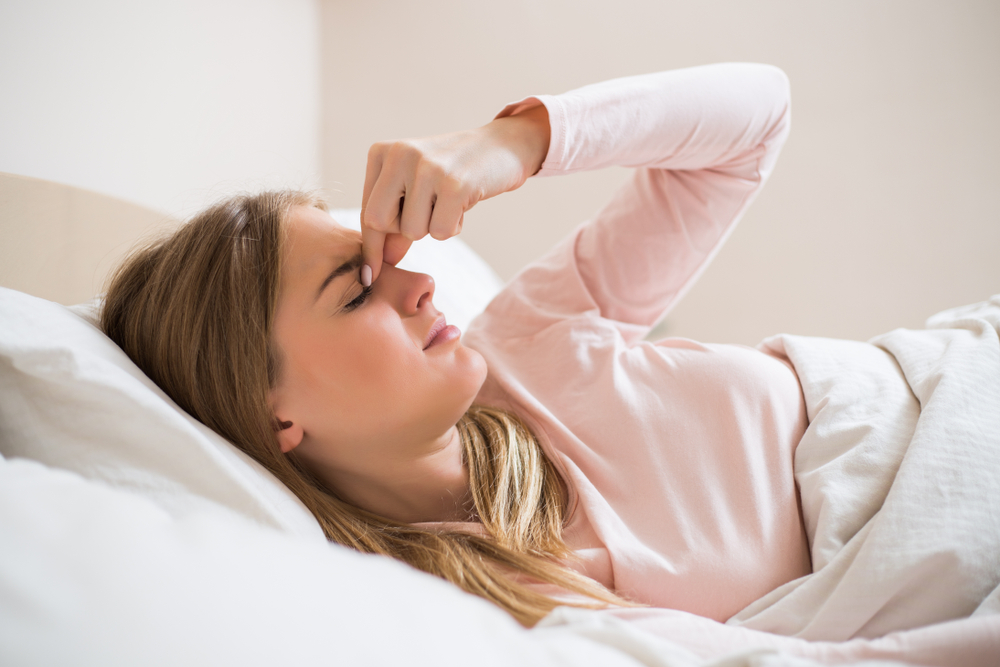
Some people sleep with their eyelids slightly open without realizing it. This condition, called nocturnal lagophthalmos, exposes part of the eye surface to air all night long. The exposed portion dries out significantly, often causing severe discomfort upon waking.
Several factors contribute to incomplete eyelid closure. Facial structure, particularly prominent eyes or shallow eye sockets, can make full closure difficult. Some people naturally have shorter eyelids that don’t quite meet when closed. Certain sleep positions, particularly sleeping face-up with your head tilted back, can pull eyelids open slightly.
You might have this condition if you consistently wake with one eye feeling much worse than the other, experience eye pain or redness first thing in the morning, or if a partner has mentioned that your eyes don’t fully close when you sleep. The symptoms tend to be more severe than typical dry eye because your eye surface gets no protection overnight. Many patients describe waking with eyes that feel almost glued shut or extremely painful to open.
Dry eye treatments become much more effective when incomplete eyelid closure is addressed alongside other factors. If you suspect this might be affecting you, an eye care professional can evaluate your eyelid closure and recommend protective measures.
Simple Solutions for Nighttime Eye Protection
Small changes to your sleep environment and habits can significantly improve morning eye comfort. You don’t need to overhaul your entire routine to see results.
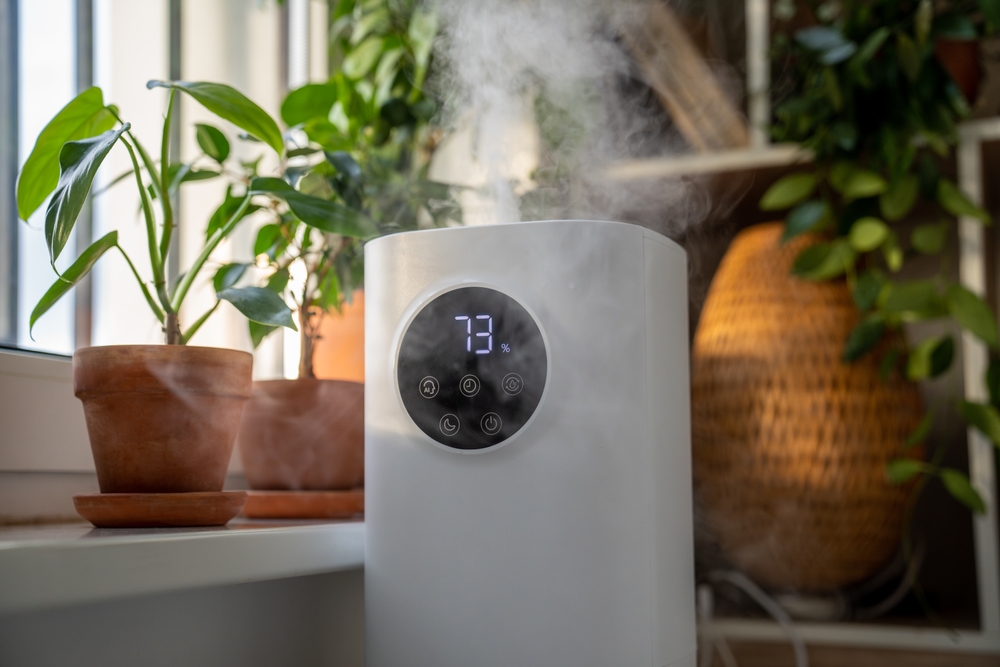
Start with a bedroom humidifier set between 40 and 50 percent humidity. This single adjustment often provides the most noticeable relief. Make sure to keep it running consistently through the night.
Redirect airflow away from your face. Point fans toward walls or ceilings rather than across your bed. Inexpensive vent deflectors can redirect air from heating and cooling systems away from your sleeping area.
Put screens away at least one hour before bed. This digital curfew helps both your eye moisture and sleep quality. If evening screen use is unavoidable, enable blue light filters or wear blocking glasses.
Keep preservative-free lubricating drops on your nightstand. Apply them before bed and have them ready when you wake. Your eye doctor can recommend formulations that work best for overnight protection.
If persistent dry eye symptoms interfere with your daily comfort despite making environmental adjustments, a professional evaluation can identify underlying issues and provide targeted solutions. Schedule a comprehensive eye exam at All Eye Care Doctors in Medford, MA, today!.