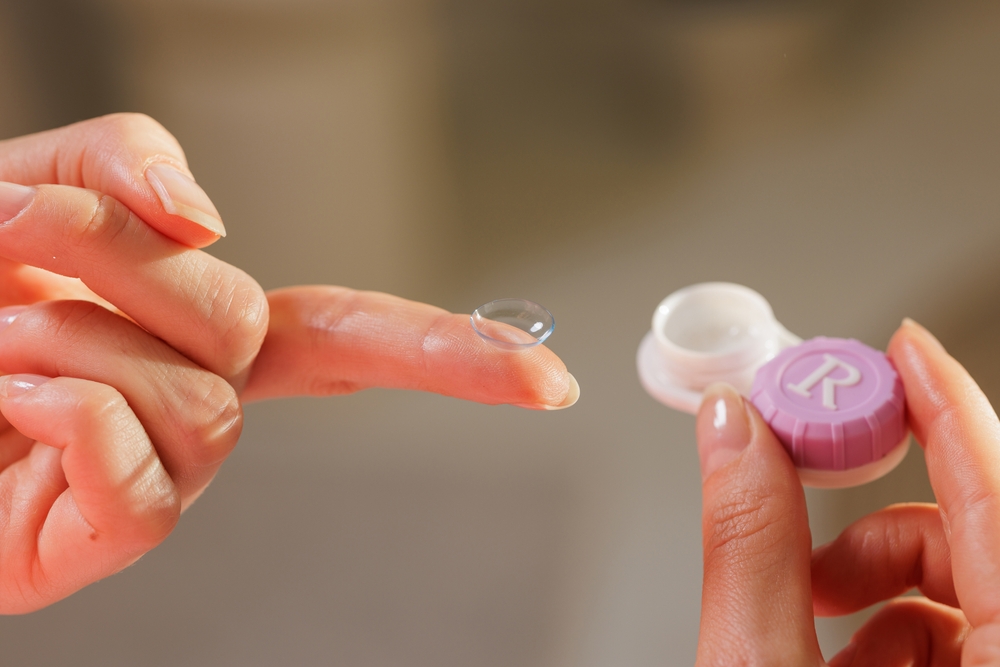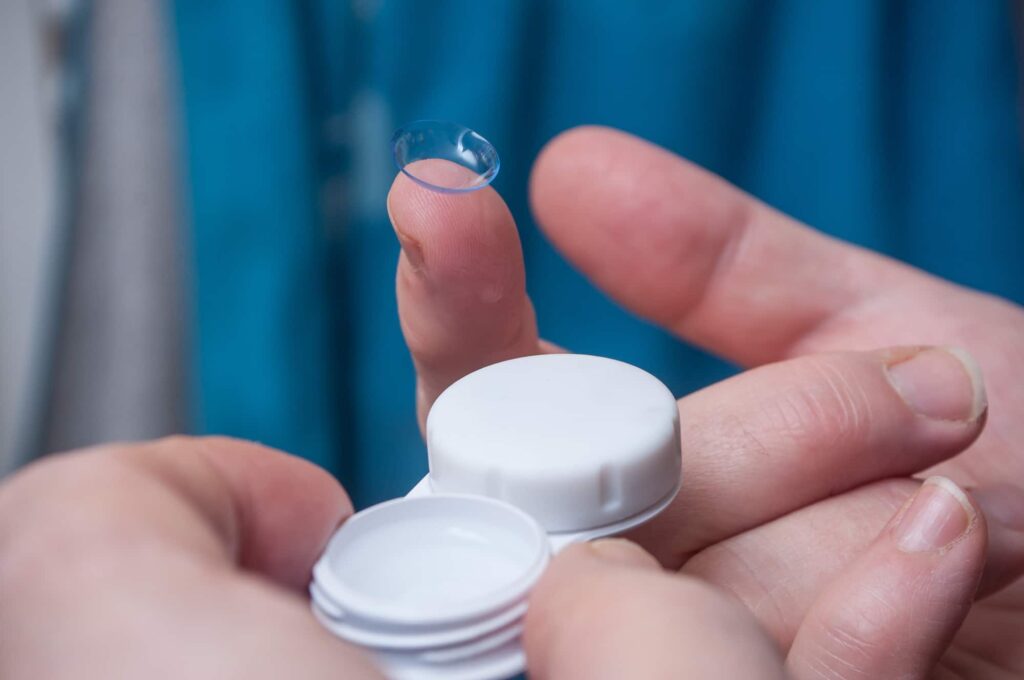



You walk out of an eye exam with a contact lens prescription and a question your doctor probably mentioned in passing: do you want dailies, biweeklies, or monthlies? The names look interchangeable, but they all have important distinctions. Each replacement schedule uses different materials, demands different care, and suits different patients. Picking the wrong one can mean discomfort, infection risk, or a prescription that simply doesn’t perform well in your specific eyes.
Keep reading to learn how to weigh the tradeoffs and find the replacement schedule that actually fits your life.
What Daily, Biweekly, and Monthly Actually Mean
The names refer only to replacement, not to wear time.
- A “daily disposable” is worn once and discarded that night.
- A biweekly lens is worn during the day, removed each evening, cleaned, and replaced after roughly two weeks.
- A monthly lens follows the same nightly routine but lasts up to thirty days before being discarded.
None of these are designed for sleeping in unless your doctor explicitly approves an extended-wear product made for occasionally wearing during sleep.
Comparing the Three Replacement Schedules
Each schedule has a distinct profile of cost, comfort, and risk.
Daily Disposables: Maximum Hygiene and Eye Health, Minimum Maintenance
Dailies start every morning sterile. Nothing accumulates on the lens overnight, so your eyes face less protein buildup, fewer allergens, and a lower infection risk than reusable options specified below. As a result, they are the most recommended lenses by eye doctors.
There are no solutions to buy and no cases to clean. Patients with seasonal allergies, sensitive eyes, or unpredictable schedules tend to do well with this format, as do athletes and occasional wearers who appreciate having a fresh pair always available.
The tradeoff is cost: dailies run higher per year of full-time wear than reusables.
Biweekly Lenses: A Middle Ground but Less Preferred Than Dailies
Biweekly lenses replace every two weeks, which keeps deposit accumulation lower than a monthly, but not as hygienic to eye health as dailies. However, it costs less than a year of dailies. They use slightly thicker materials than dailies, which some patients find easier to handle. We often find our patients justifying the additional cost of Dailies for the additional comfort and hygiene that daily lenses provide.
Monthly Lenses: Durability and Prescription Range
Monthly lenses are built for repeated handling and use advanced silicone hydrogel materials. They offer the broadest selection of prescriptions, including high powers, astigmatism corrections, and multifocal designs that may not exist in daily form.
The catch is discipline, reduced eye hygiene, and comfort when compared to the other options. Stretching a monthly into six weeks invites the same complications that come with overwearing contacts, including protein buildup, corneal hypoxia, and inflammation. The schedule only works if you actually follow it.
The Four Variables That Shape the Right Schedule
Four variables drive the right answer.
The first is prescription: standard nearsightedness is available across all three formats, but patients with keratoconus or irregular corneas often need medically necessary contact lenses that are simply not made as dailies.
The second is eye health, since underlying chronic dry eye can make any reusable lens uncomfortable by mid-afternoon and often pushes the decision toward dailies.
The third is lifestyle, including how many days a week you wear contacts and how often you travel.
The fourth is care discipline, because a monthly lens cleaned poorly performs worse than a daily worn correctly.
Many of these factors only become clear during the measurements taken during a lens fitting appointment, where corneal curvature, tear film quality, and lid anatomy are evaluated in detail.
How to Choose a Contact Lens Type
Two patients with identical prescriptions often end up in different lenses because their corneas, tear films, and routines differ. A properly conducted contact lens fitting sorts through those differences with diagnostic trials, real-world feedback, and adjustments over a follow-up visit. The replacement schedule you walk away with should reflect both how your eyes behave on the lens and how reliably you’ll care for it.
Wondering which replacement schedule is the right fit for your eyes? Schedule an appointment at All Eye Care Doctors in Wellesley, MA today. We’re here to help you see clearly and comfortably.