


Optometrist vs Ophthalmologist: What’s the Difference When It Comes to Eye Exams and Refractions?
The two professions overlap, but not evenly. One is built around ongoing care, the other around surgery. Keep reading to learn how each doctor specifically handles a refraction and an eye exam, and which one to call first. What Is the Difference Between an Ophthalmologist and an Optometrist? An optometrist holds a Doctor of Optometry…
Read More
Back to School, Back in Focus: Why August Is the Best Time for Your Child’s Eye Exam
Most of what children learn in school requires their eyes, like the board, the worksheet, and the book in their lap. When their vision isn’t clear, it can cause slipping grades and short attention spans, among other things. With school still weeks away and calendars wide open, it’s the perfect moment to schedule a comprehensive…
Read More
Why Routine Eye Exams Belong on Your Health Checklist
Your eye health is one of life’s most precious gifts, and regular eye examinations are an important part of protecting your vision and overall well-being. Many eye conditions can develop gradually without noticeable symptoms, making routine comprehensive eye care essential even when your vision seems unchanged. You schedule a yearly physical, see the dentist twice…
Read More
What Is the Difference Between Eye Exams at a Medical Optometry Office vs a Chain Store?
When it’s time for your annual eye exam, you have more choices than ever. You can visit a medical optometry office, book an appointment at a chain store vision center, or even get your eyes checked at some big box retailers. While these options might seem similar on the surface, the type of practice you…
Read More
The Importance of Vision Screenings at the Start of the School Year
As summer winds down and families prepare for the new school year, there’s one crucial item that should be at the top of every parent’s back-to-school checklist: a comprehensive vision screening. While shopping for school supplies and new clothes might seem more pressing, ensuring your child’s vision is healthy can make the difference between academic…
Read More
MiSight Myopia Management: The First FDA-Endorsed Myopia Control for Kids
Myopia, or nearsightedness, is an increasingly common concern in pediatric eye care and is characterized by difficulty seeing objects at a distance. It has been on the rise globally among children and is far too common for many of today’s youths. Thankfully, breakthroughs in technology and medicine have opened new avenues for managing this condition…
Read More
Do You Need an Eye Exam?
5 quick questions to ask yourself to determine the need for an eye exam: 1) When was your last eye exam?If it’s been more than a year then now is a perfect time! 2) Is your vision blurry for distance, near, or both?If so, it’s time to get your eyes checked. 3) Have you been having more headaches…
Read More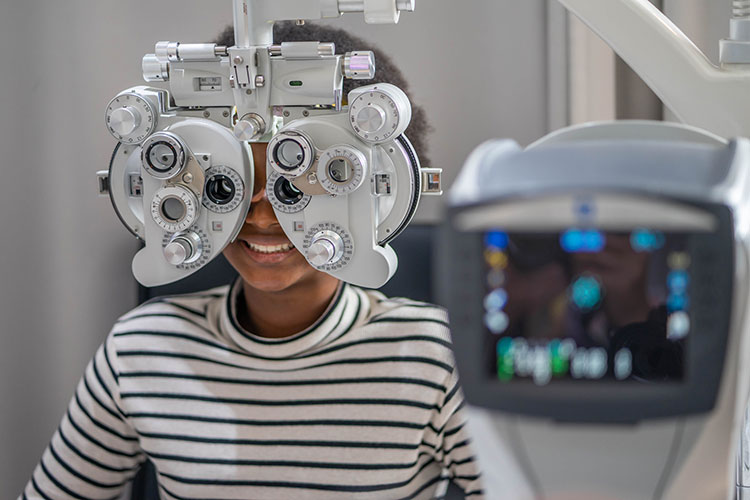
Your Guide to the Symptoms and Treatments of Glaucoma
One of the reasons we wanted to write about the symptoms and treatments of Glaucoma is because approximately 3 million Americans suffer from Glaucoma. Glaucoma is a serious eye disease that can lead to blindness if left untreated. Thankfully there are ways of managing it. Prognosis is typically better if it is caught early enough….
Read More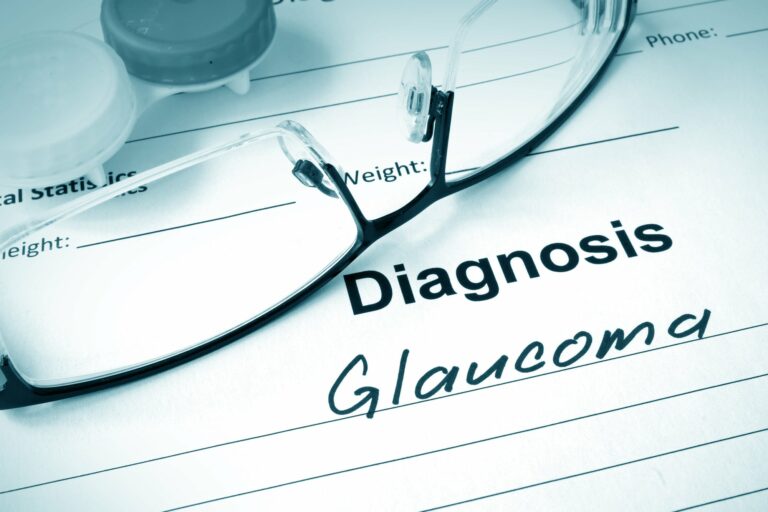
Keratoconus Treatment with Medically Necessary Contacts
Contacts,Eye Care and Eye Health
Learn about Keratoconus treatment and this rare eye condition. Your sight is one of the most important senses you have. Unfortunately, there are many different ailments that can affect your ability to see. Some, like short-sightedness, are pretty common. Others, such as keratoconus, are a little rarer. Keratoconus is an eye condition that affects approximately one in…
Read More
Child Vision and Eye Care – Why Is It Important Not To Wait
Child Vision and Eye Care – Why Is It Important Not To Wait Undiagnosed and untreated vision problems are holding back millions of school kids just when learning and healthy development are the most important. A small investment in a comprehensive eye exam could change his/her life forever. Two-thirds of children do not receive preventative…
Read More